
Sale!
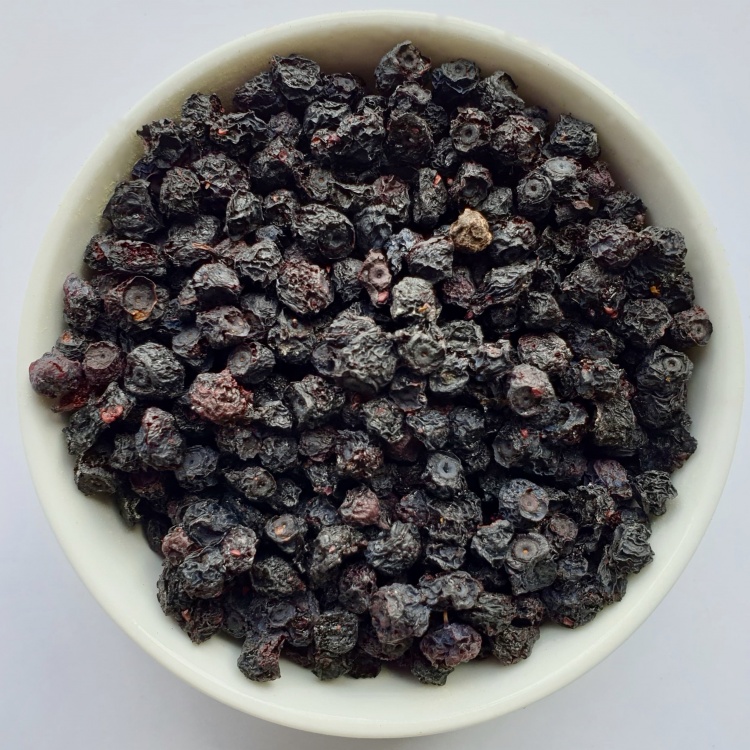
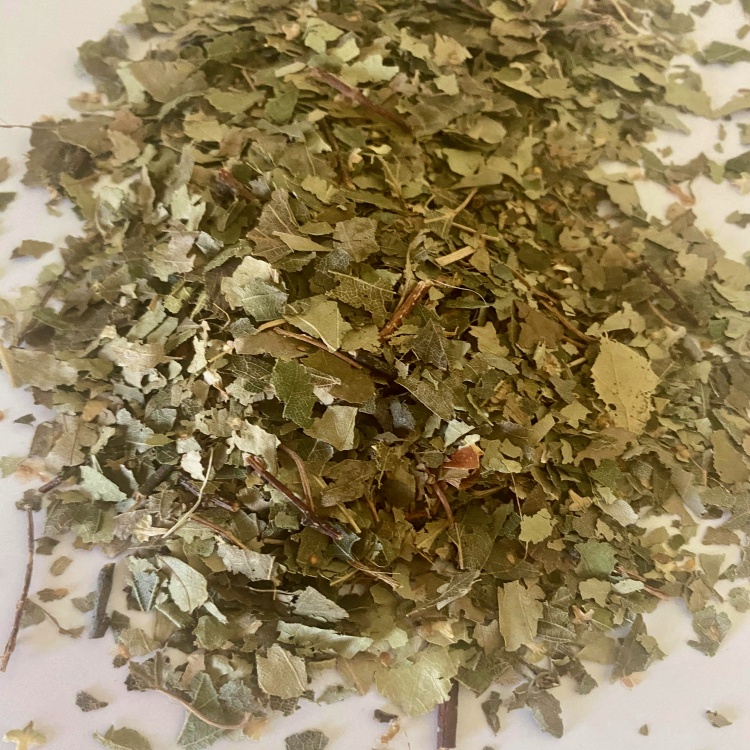
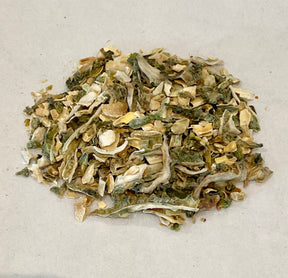
Bilberry Natural loose blend 50 grams
$ 4.34
Bilberry Botanical Name: Vaccinium myrtillus Herbal Actions: Vasoprotective, antiedema, antioxidant, anti inflammatory, antimicrobial. Although the bilberry is a very close relative to the blueberry family, this not-so-distant cousin is a wee bit smaller, darker in color, contains less juice, and it sports a smaller crown. And when cut open, bilberry pulp is purple to blue in color, whereas blueberry pulp is usually light green. Bilberry has a long medicinal history in Europe. It has been used to treat anything from kidney stones to Typhoid fever. During World War 2 British pilots noted that Bilberry jam before a flight dramatically improved night vision. Modern research now supports these claims. Some people use bilberry for conditions of the heart and blood vessels including hardening of the arteries (atherosclerosis), varicose veins, decreased blood flow in the veins, and chest pain. Bilberry is also used for chronic fatigue syndrome (CFS), hemorrhoids, diabetes, osteoarthritis, gout, skin infections, gastrointestinal (GI) disorders, kidney disease, and urinary tract infections (UTIs). It is sometimes applied directly to the inside of the mouth for mild mouth and throat soreness. Bilberry contains anthocyanosides which are potent antioxidants which strengthen blood vessels and capillary walls, improve red blood cells, stabilize collagen tissues such as tendons, ligaments and cartilage and has cholesterol lowering effects. They also increase retinal pigments that allow the eye to tolerate light. In addition, it helps to maintain the flexibility of red blood cells, allowing them to pass through the capillaries and supply oxygen. The herb has been shown to be a vasodilator that opens blood vessels and lowers blood pressure. Since the eyes have a high concentration of capillaries, bilberry may be particularly helpful in improving eyesight. The herb has been shown to improve night vision, slow macular degeneration, prevent cataracts and diabetic retinopathy. Scientific studies have shown improvement in the eyesight, circulation, angina, stroke and atherosclerosis. It is also used to improve varicose veins and has anti-aging effects on collagen structures. Nutritional Value Of Bilberry Bilberry contains a range of vital nutrients including vitamins such as Vitamin A, Vitamin C (ascorbic acid), vitamin B1 (thiamine), vitamin B2 (riboflavin), vitamin E (alpha-tocopherol) and vitamin K (phylloquinone). Mineral treasure present in it comprises of copper, chromium, manganese, zinc and iron. It is a rich provider of alkaloids, carbonic acids and a number of phenolic components such as quercitin, anthocyanins, tannins, pectin and catechins. Bilberry Tea In depth research has proved that regular consumption of Bilberry tea can improve vision by strengthening the retina and blood vessels of the walls in the eyes. Another benefit of Bilberry tea is that it reduces blood sugar levels and cholesterol, which in turn helps diabetics and reduces the risk of a heart attack for those with heart conditions.
Related products
Sale!
CCTV Cameras
$ 7.46
Sale!
CCTV Cameras
$ 4.34
Sale!
CCTV Cameras
$ 4.34
Sale!
CCTV Cameras
$ 4.34
Sale!
CCTV Cameras
$ 4.34
Sale!
CCTV Cameras
$ 4.34
Sale!
CCTV Cameras
$ 4.34
Sale!
CCTV Cameras
$ 7.46